
Transform Your Stress Into Wellness Through Nutrition
Discover how the right foods and eating habits can calm your mind, stabilize your emotions, and help you build lasting mental clarity and confidence.
The information on this site is for educational purposes only and does not constitute medical advice. Always consult a qualified healthcare professional before making health decisions.
Why Nutrition Matters for Your Mental Wellbeing
Your brain is constantly working to manage stress, maintain focus, and regulate your emotions. What you eat directly influences how well it performs. Nutrient-dense foods provide the building blocks your nervous system needs to stay calm and resilient. When you choose foods rich in omega-3 fatty acids, B vitamins, magnesium, and antioxidants, you're actively supporting your mental health from the inside out.
Many people don't realize that skipping meals, consuming too much caffeine, or eating processed foods can amplify stress responses in the body. By understanding the nutrition-mood connection, you gain a practical tool to take control of your wellbeing. This isn't about restrictive dieting—it's about eating in ways that genuinely make you feel better mentally and physically.
At Nutrient Power Men Hub, we believe that stress relief starts on your plate. Our editorial content guides you through evidence-based nutrition strategies that complement your overall approach to mental clarity and emotional balance.
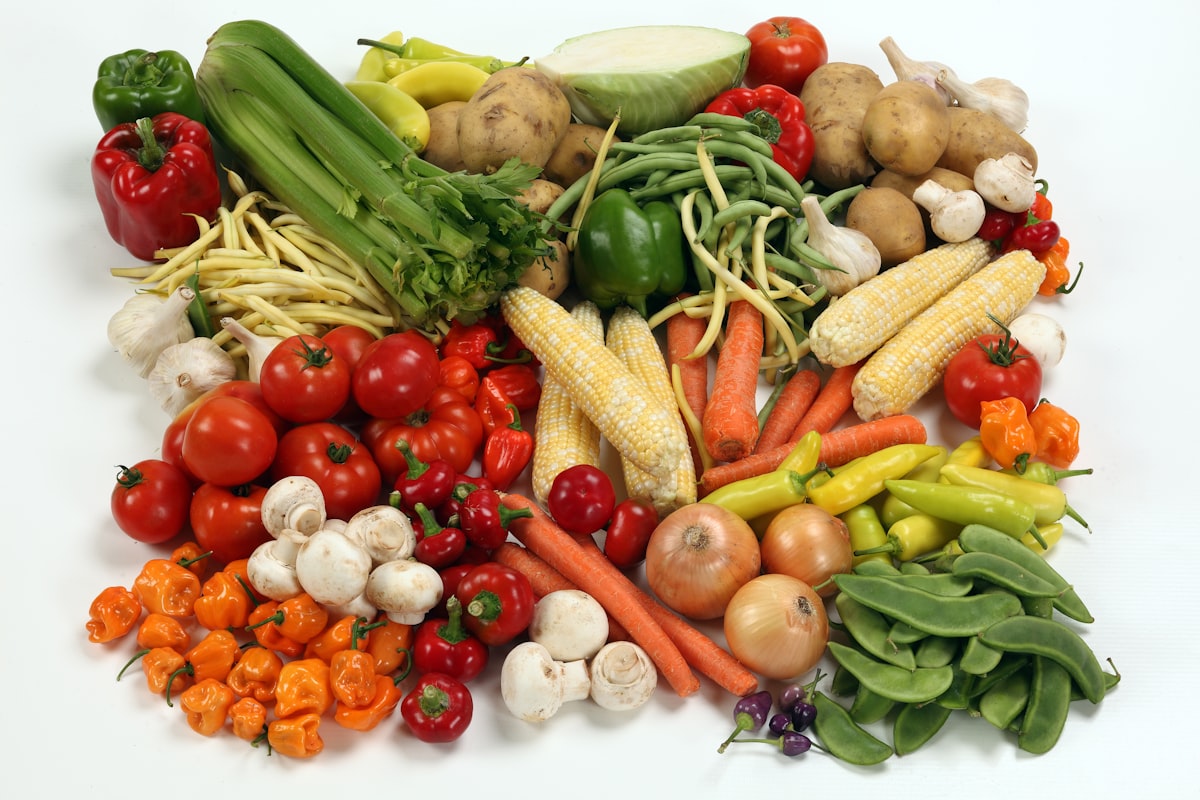
Stress-Relief Food Essentials
Leafy Greens & Vegetables
Spinach, kale, and broccoli are packed with folate and magnesium—nutrients that support neurotransmitter function and help reduce anxiety. Eating colorful vegetables daily provides essential minerals that calm your nervous system and improve emotional resilience.
Omega-3 Rich Fish
Salmon, mackerel, and sardines contain omega-3 fatty acids that support brain health and reduce inflammation associated with stress. These healthy fats are crucial for maintaining mood stability and supporting cognitive function during challenging times.
Whole Grains & Seeds
Brown rice, oats, and seeds like flax and pumpkin provide B vitamins and fiber that stabilize blood sugar levels. Stable energy throughout the day reduces stress spikes and helps maintain the mental clarity needed to handle daily pressures effectively.
Proteins & Amino Acids
Eggs, legumes, and poultry contain amino acids that produce serotonin and dopamine—the chemicals responsible for mood regulation. Including quality protein in each meal helps your body maintain the neurotransmitters needed for emotional balance and stress management.
Dark Chocolate & Berries
Dark chocolate contains phenylethylamine that improves mood, while berries offer powerful antioxidants that protect the brain from oxidative stress. These nutrient-dense foods satisfy cravings while actively supporting your mental resilience and overall sense of wellbeing.
Herbal Teas & Water
Chamomile, lavender, and green tea contain compounds that promote relaxation and reduce cortisol levels. Staying hydrated is equally important—dehydration can increase stress and impair cognitive function. Simple hydration is one of the most overlooked stress-relief tools.
Your 5-Step Journey to Calm
Assess Your Current Eating Habits
Start by observing what you currently eat and how different foods make you feel. Notice patterns between your meals and your mood or stress levels. This awareness is the foundation for making meaningful changes that truly support your mental wellbeing.
Identify Stress-Triggering Foods
Reduce foods that amplify stress—excessive caffeine, high-sugar items, and ultra-processed snacks. These foods can spike cortisol levels and increase anxiety. By eliminating them gradually, you'll notice your baseline stress level naturally decreases.
Add Stress-Relief Nutrients
Progressively add magnesium-rich foods, omega-3 sources, and B-complex foods to your diet. Rather than overhauling everything at once, introduce one new stress-relief food category per week. This approach builds sustainable habits without overwhelming change.
Create Balanced Meal Plans
Develop a weekly meal plan that combines all the stress-relief food categories. Balance proteins, healthy fats, and complex carbohydrates in each meal. Consistency in eating patterns stabilizes blood sugar and supports steady emotional regulation throughout the day.
Track Progress & Adapt
Keep a simple journal noting what you eat and how you feel. Over weeks, patterns will emerge showing which foods give you the best mental clarity and calm. Use these insights to refine your approach continually, recognizing that nutrition for stress relief is a personalized journey unique to your body and circumstances.
What Our Readers Are Discovering
Real experiences from people who've transformed their relationship with food and stress management.
"I was skeptical about how much food could affect my stress levels, but after following the omega-3 and magnesium guidelines, I noticed a real difference within two weeks. My anxiety decreased noticeably, and my sleep improved dramatically. The articles are practical and backed by real information—not just hype."
Budi Santoso
Jakarta, Indonesia
"The five-step journey made nutrition changes feel manageable instead of overwhelming. I started by cutting caffeine and adding more vegetables, and the mental clarity I gained was unexpected. The resource articles about stress-relief foods are detailed and easy to understand. Finally, a nutrition site that focuses on mental health specifically."
Ahmad Wijaya
Surabaya, Indonesia
"I've always struggled with stress eating, which made everything worse. This site helped me understand the connection between my food choices and my emotional state. The balanced meal plan suggestions are realistic for my busy schedule. I'm eating better, feeling calmer, and my confidence has improved significantly."
Rina Dewanti
Bandung, Indonesia
Common Questions About Nutrition & Stress Relief
How quickly will I notice changes in my stress levels?
Most people begin noticing improvements within 2-3 weeks of consistent dietary changes. You might first observe better sleep quality or fewer afternoon energy crashes. More subtle shifts in mood stability and emotional resilience typically become apparent after 4-6 weeks as your body adjusts to the nutrient-rich foods. Everyone's timeline is different based on their starting point and how dramatically they change their eating patterns.
Can nutrition alone eliminate stress?
Nutrition is a foundational piece of stress management but works best alongside other approaches like physical activity, sleep, and social connection. Think of it as creating a stronger resilience system—better nutrition gives your body and mind better tools to handle stress, but external stressors still exist. What changes is your capacity to respond calmly rather than react with anxiety or overwhelm.
Are expensive superfoods necessary for stress relief?
Not at all. The most effective stress-relief foods are usually simple and affordable: bananas, potatoes, beans, eggs, chicken, spinach, cabbage, and regular tea. The core nutrients your nervous system needs—magnesium, B vitamins, omega-3s—are available in everyday foods accessible in Indonesia and most markets. Consistency matters far more than buying trendy items.
What if I have limited time for meal preparation?
Stress relief nutrition doesn't require complicated recipes. You can build stress-calming meals with minimal effort: grilled fish with steamed vegetables, oatmeal with berries, legume-based soups, scrambled eggs with toast, or simple stir-fries. Batch cooking on weekends takes an hour but provides meals for several days. The goal is consistent nutrition, not restaurant-quality presentation.
Should I eliminate all caffeine for stress relief?
Complete elimination isn't necessary for everyone. Some people find that one cup of morning coffee doesn't interfere with their stress levels, while others are highly sensitive to caffeine. The key is experimentation: reduce caffeine gradually and observe your stress and anxiety patterns. If you're a heavy caffeine consumer, reducing intake will likely improve sleep quality and reduce baseline anxiety significantly.
Can dietary changes help with stress-related sleep problems?
Yes, absolutely. Foods rich in magnesium and tryptophan—like pumpkin seeds, almonds, turkey, and legumes—promote better sleep. Avoiding heavy meals close to bedtime and limiting stimulating substances like late-afternoon caffeine creates conditions for deeper rest. Better sleep significantly reduces next-day stress and anxiety, creating a positive cycle that reinforces emotional stability.
Get Our Free Nutrition & Stress Relief Guide
Discover practical strategies for choosing foods that calm your mind and stabilize your mood. Our guide includes shopping lists, meal suggestions, and science-backed nutrition tips specifically designed for stress relief.
We respect your privacy. Unsubscribe at any time. For content feedback, contact us.
Begin Your Journey to Stress Relief Today
Transform how you eat, and transform how you feel. Explore our comprehensive nutrition articles, download resources, and join a community focused on mental clarity and calm through food. Your path to a calmer, more resilient you starts with understanding the powerful connection between nutrition and emotional wellbeing.