
Stress Relief Through Healthy Eating
Discover how nutrition science can help you manage stress naturally. Learn the connection between what you eat and how you feel, and explore evidence-based dietary approaches to support your emotional well-being.
The information on this site is for educational purposes only and does not constitute medical advice. Always consult a qualified healthcare professional before making health decisions.
Key Features of Nutrition-Based Stress Management
Whole Foods Foundation
Building your stress-relief nutrition plan around whole, minimally processed foods provides your body with essential nutrients that support nervous system function. Whole grains, fresh vegetables, and lean proteins contain vitamins and minerals directly involved in neurotransmitter production and stress hormone regulation.
Balanced Macronutrients
Combining protein, healthy fats, and complex carbohydrates in each meal stabilizes blood sugar levels and prevents energy crashes that trigger stress responses. This balanced approach helps maintain consistent mood and mental clarity throughout your day, reducing emotional reactivity and fatigue.
Hydration Intelligence
Proper hydration is fundamental to stress management—even mild dehydration impairs cognitive function and increases perceived stress. Understanding how much water your body needs and recognizing dehydration symptoms helps you maintain optimal mental performance and emotional resilience.
Gut-Brain Connection
Your digestive system and brain communicate through the gut-brain axis—nutritional choices that support healthy digestion directly influence mood and stress perception. Foods rich in fiber and beneficial compounds promote a healthy gut microbiome, which produces neurotransmitters that affect emotional well-being.
Anti-Inflammatory Eating
Chronic low-level inflammation is linked to increased stress perception and mood challenges. An anti-inflammatory dietary pattern featuring omega-3 rich foods, colorful antioxidant-dense vegetables, and herbs helps regulate your body's inflammatory response and supports mental clarity.
Mindful Eating Practices
The way you eat is as important as what you eat. Mindful eating—eating slowly, without distraction, and with awareness of hunger and fullness cues—reduces stress during meals and improves digestion, nutrient absorption, and your overall relationship with food.
The Stress-Nutrition Connection: How It Works
Understanding Your Body's Stress Response
When you experience stress, your body triggers a cascade of hormonal and neurological changes designed to prepare you for action. Cortisol and adrenaline surge, blood sugar spikes, digestion slows, and your immune system shifts priorities. While this response is crucial for immediate threats, chronic stress activates this system repeatedly, depleting nutrients and destabilizing your metabolism.
Specific nutrients directly influence how your nervous system responds to stressors. Magnesium helps relax muscles and calm neural activity. B vitamins support neurotransmitter synthesis. Omega-3 fatty acids reduce inflammation and support mood regulation. When your diet consistently includes these nutrients, your body's stress threshold increases, and you recover faster from challenging situations.
Additionally, foods that cause rapid blood sugar fluctuations or inflammation amplify stress perception. Refined sugars, excessive caffeine, and highly processed foods trigger additional stress hormone releases, creating a cycle that compounds existing tension. By choosing foods that stabilize blood sugar and reduce inflammation, you're actively lowering your baseline stress level.
Five-Step Journey to Stress-Relieving Eating Habits
Assess Your Current Diet
Begin by honestly evaluating what you currently eat. Notice patterns, identify trigger foods that increase stress, and recognize which foods make you feel better. This awareness is the foundation for meaningful change.
Eliminate Stress Amplifiers
Gradually reduce foods and beverages known to worsen stress—excessive caffeine, refined sugars, ultra-processed options, and alcohol. Replace them with nutrient-dense alternatives that support your nervous system.
Build a Nutrient-Rich Foundation
Focus on adding whole foods rich in stress-protective nutrients—leafy greens, nuts and seeds, fatty fish, legumes, and whole grains. Let these foods crowd out less supportive options naturally.
Develop Meal Planning Skills
Plan your meals intentionally to ensure balanced nutrition and reduce stress-driven impulse eating. Simple meal planning prevents decision fatigue and keeps stress-supportive foods accessible when you need them most.
Practice Mindful Eating
Transform your eating experience by eating without distractions, chewing thoroughly, and tuning into your body's hunger and fullness signals. This practice reduces stress during meals and improves digestion.
Foods That Support Stress Relief
Leafy Greens & Vegetables
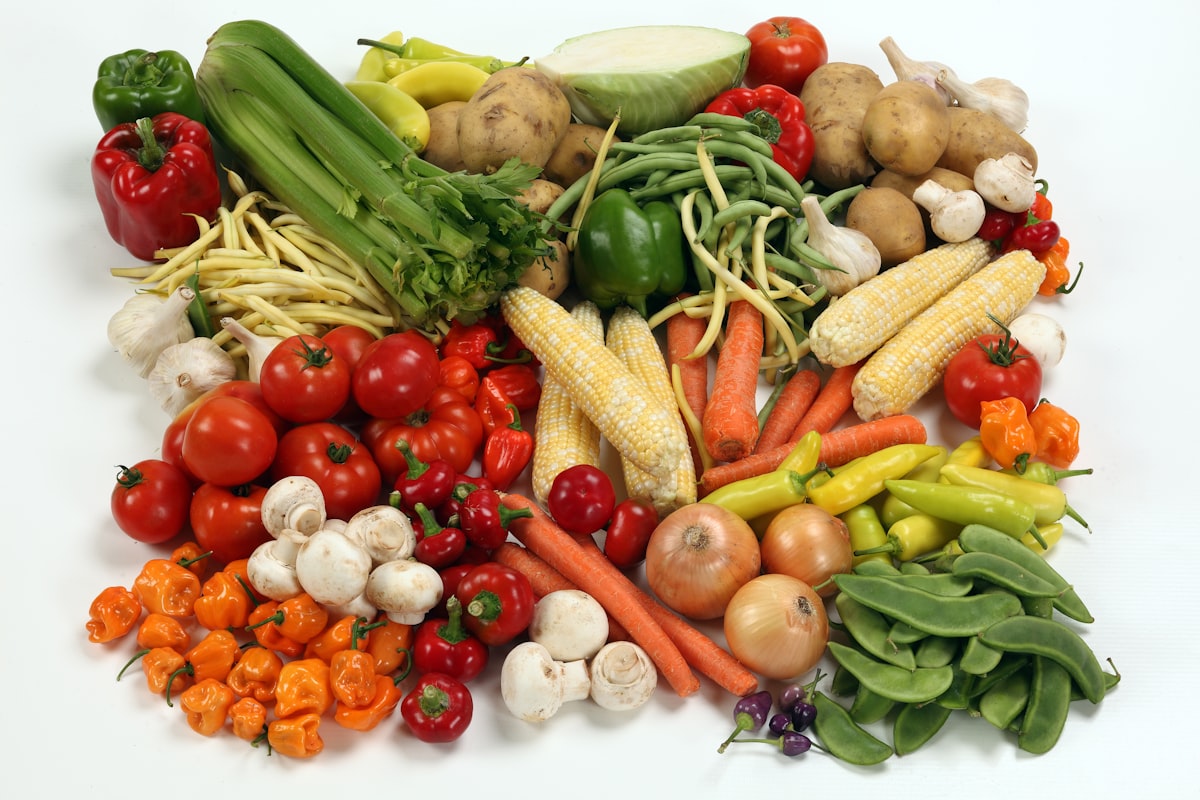
Dark leafy greens like spinach and kale contain magnesium, a mineral essential for nervous system relaxation. Colorful vegetables provide antioxidants that protect brain cells from stress-related damage. Aim for variety and color in your vegetable selections.
Include: Spinach, kale, broccoli, bell peppers, Brussels sprouts, carrots
Fatty Fish & Omega-3 Sources
Omega-3 fatty acids reduce inflammation and support brain health. Fish like salmon contain both omega-3s and vitamin D, which is linked to mood regulation. Plant-based sources like flaxseeds and walnuts also provide these beneficial fats.
Include: Salmon, mackerel, sardines, walnuts, flaxseeds, chia seeds
Protein-Rich Foods
Protein provides amino acids needed to produce neurotransmitters like serotonin and dopamine. Complete proteins from eggs, poultry, legumes, and dairy stabilize blood sugar and prevent mood crashes that amplify stress perception.
Include: Eggs, chicken, turkey, beans, lentils, Greek yogurt, cottage cheese
Whole Grains
Complex carbohydrates in whole grains help produce serotonin, which improves mood and reduces stress perception. They also provide B vitamins that support energy production and nervous system function. Choose minimally processed whole grain options.
Include: Oats, brown rice, quinoa, whole wheat bread, barley
Nuts, Seeds & Berries
Nuts and seeds provide magnesium, vitamin E, and selenium—all critical for stress resilience. Berries offer anthocyanins, powerful antioxidants that protect brain function. These foods are convenient stress-relief snacks you can carry anywhere.
Include: Almonds, pumpkin seeds, blueberries, strawberries, blackberries
Herbal Teas & Beverages
Chamomile, passionflower, and lavender teas have traditionally been used to promote relaxation. Green tea provides L-theanine, an amino acid that promotes calm focus. Herbal beverages offer hydration plus calming compounds.
Include: Chamomile tea, green tea, herbal infusions, bone broth
Frequently Asked Questions
How quickly can dietary changes affect stress levels?
Some changes happen within days—eliminating excessive caffeine can reduce anxiety and jitters within 24-48 hours. However, deeper nutritional improvements typically take 2-4 weeks as your body's nutrient status improves and your nervous system stabilizes. Consistent practice of mindful eating shows immediate benefits in how you experience meals.
Which single nutrient is most important for stress relief?
Magnesium is often called the "relaxation mineral" because it directly calms the nervous system and helps your body manage stress hormones. However, stress relief requires multiple nutrients working together—B vitamins, omega-3s, antioxidants, and amino acids all play crucial roles. A whole-foods approach ensures you get the complete nutrient matrix your body needs.
Can I eat "stress-relief foods" while under tight deadlines?
Absolutely—in fact, that's when they matter most. During stressful periods, your body depletes nutrients faster and needs consistent support. Prepare simple meals in advance, keep healthy snacks accessible, and stay hydrated. Focus on proteins, whole grains, and vegetables rather than complex recipes. Simple nutrition during high-stress times prevents additional physical strain.
What about emotional eating when stress hits?
Emotional eating is normal—understand it without judgment. When you notice the urge, pause and identify whether you're physically hungry or seeking comfort. If emotionally driven, try a brief walk, deep breathing, or herbal tea first. When you do eat, choose foods that genuinely nourish you rather than those that provide temporary relief followed by blood sugar crashes and increased stress.
How does hydration specifically relate to stress?
Dehydration impairs cognitive function, increases fatigue, and triggers headaches—all of which amplify stress perception. Your brain needs adequate water to produce neurotransmitters and regulate stress hormones. A practical target is about half your body weight in ounces daily, adjusted for activity level and climate. When you're consistently well-hydrated, your mental resilience improves noticeably.
Should I avoid all caffeine for stress relief?
Not necessarily, but amount and timing matter significantly. Moderate caffeine (100-200mg daily from one or two cups of tea or coffee) can improve focus without worsening anxiety for many people. However, if you experience stress-related anxiety, reducing caffeine typically provides noticeable improvement within days. Avoid caffeine after 2pm to protect sleep quality, which is crucial for stress recovery.
What Our Readers Say
5.0/5
"I started incorporating more leafy greens and fish into my meals after reading these articles, and I noticed my anxiety levels dropped significantly within three weeks. What surprised me most was how much my sleep improved—I didn't expect nutrition to have such a direct effect. The information here is clear and actually actionable, not overwhelming."
Siti Nurhaliza
Jakarta
5.0/5
"As someone who deals with work stress constantly, I appreciated learning that specific nutrients directly support my nervous system. The five-step journey provided a realistic way to change my eating habits without trying to overhaul everything overnight. The information about blood sugar stabilization finally explained why I was so irritable in the afternoons."
Budi Santoso
Surabaya
Stay Informed About Nutrition & Wellness
Subscribe to receive our latest articles and research summaries on nutrition-based stress relief directly in your inbox.
Ready to Explore More?
Discover detailed articles on specific stress-relief recipes, meal planning strategies, and the science behind nutrition and emotional well-being.